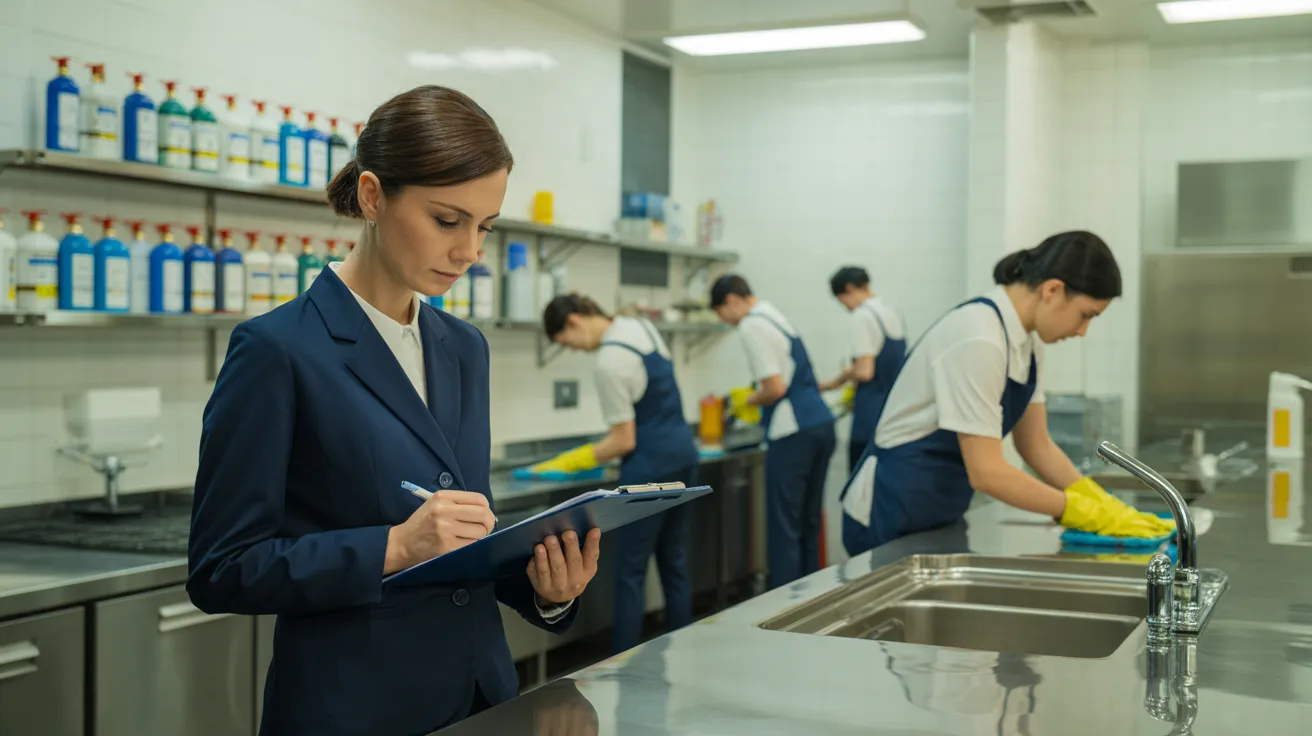
Commercial hygiene experts located in Brampton ensure restaurants, food distribution facilities, baking enterprises, warehouses, and mobile food units in compliance. They treat frequently handled areas, food-contact areas, equipment, floors, drains, restrooms, and preparation zones with certified chemicals, at proper strength, and with verified times.
Key Takeaways
- Sanitation specialists from Brampton assist restaurants, grocery departments, commissaries, warehouses, bakeries, schools, mobile vendors, and allergen-sensitive operations.
- High-touch surfaces, food-contact equipment, kitchens, floors, drains, restrooms, and storage areas are cleaned using sectional methods to eliminate cross-contamination.
- Confirmation of approved sanitizer dilution, compatibility, and exposure duration is completed by certified providers, with finishing recorded using samples, assessments, and corrective-action records.
- Maintenance plans ought to comply with risk, output capacity, transitions, releases, and standards, with regular, recurring, and cyclical operations allocated by location.
- Emphasize contractors showing HACCP, sanitation competency, safety training education, coverage, references, coded instruments, and assessment-ready sanitation documentation.
What Brampton Venues Require Food Safety Cleaning?
Food safety cleaning is essential for any Brampton facility that handles, maintains, prepares, packages, or offers food. Apply it to your business if it is subject to public health review, food regulations, or HACCP protocols. This includes food service venues, employee dining, supply facilities, retail sections, butcheries, seafood counters, retail shops, and facility kitchens.
Documented food sanitation is also necessary in supply facilities, manufacturing operations, cold storage areas, bakery retailers, educational nutrition programs, banquet halls, and food delivery hubs. Temporary and mobile businesses matter too, like food trucks, event vendors, and temporary stalls. Your location needs documented cleaning protocols if your team process ingredients, portion ready-to-eat items, reheat products, or store allergens. In Brampton, sanitation continues to be not elective; it forms legal, operational, and consumer protection compliance.
Which Areas Do Brampton Cleaning Experts Cover?
You need professional cleaners who disinfect frequently contacted areas, kitchen areas, floor surfaces, and bathrooms to comply with food safety and health regulations. They focus on these spaces because they present the highest risk for contamination spread, slipping risks, and sanitation breaches.
If you comprehend their cleaning services, you'll be able to confirm your operation satisfies required operational and regulatory standards.
High-Touch Surface Sanitizing
Expert janitorial services stress high-touch surface disinfection given the threat of pathogens and contaminants spreading across your facility. You require a documented schedule for sanitizing frequently touched items like handles, plates, switches, railings, equipment controls, payment terminals, and fridge pulls. Using surface identification mapping, teams determine every high-traffic point and determine cleaning intervals
When confirming disinfectant properties, solution concentration, and dwell time, review manufacturer instructions and food safety requirements to ensure effectiveness. Specialists might utilize surface testing to confirm sanitization success
Kitchen Areas, Floor Surfaces, and Bathroom Spaces
Expect Brampton cleaning experts to target kitchens, floors, and restrooms because each area carries distinct foodborne illness prevention, accident prevention, and sanitation risks. In industrial kitchens, you need grease removal from cooking stations, appliance surfaces, drain systems, preparation areas, and backsplashes to minimize contamination and pest pressure.
Documented floor maintenance is likewise provided as part of the service.
For restroom sanitation, cleaners disinfect high-touch surfaces, bathroom fixtures, stall dividers, supply dispensers, and trash receptacles, then restock supplies and control odours. They also maintain restaurant cleaning supply rooms where product storage, sink cleanliness, and drain systems impact daily sanitation standards and worker protection.
Why Food Safety Cleaning Matters in Brampton
To adhere to regulatory mandates and pass inspections, Brampton facilities must follow appropriate cleaning protocols. You also reduce cross-contamination by cleaning and sanitizing food-contact surfaces, equipment, and high-touch areas correctly. Most importantly, you help protect public health by lowering the risk of foodborne illness in your facility.
Sanitary Standards Adherence
Brampton food companies must comply with stringent health requirements, so cleaning procedures is vital to adhering to health codes, ensuring the safety of customers, and avoiding penalties. You must maintain hygienic food handling zones, verifiable cleaning logs, safe chemical management, and verifiable staff procedures that comply with municipal and provincial inspection expectations.
Failure to maintain cleaning standards poses threats notices, compliance orders, public perception damage, and potential disruption during subsequent audits or regulatory actions.
Cross-Contamination Prevention
Adhering to regulatory guidelines requires your skill in preventing cross-contamination throughout daily food handling and cleaning. You need to separate raw ingredients from ready-to-eat foods, sanitize work stations after each task, and store cleaning supplies separately from food. Organized systems minimize contamination events and ensure consistent compliance during inspections.
Building allergen segregation prevents priority allergens from contacting shared surfaces, containers, or equipment. Utilize dedicated cutting boards, color-coded tools, and precise instrument labeling so staff don't mix items in cooking or serving.Enforce handwashing after handling raw meat, seafood, eggs, or allergen-containing products. Refresh cleaning cloths frequently, and confirm disinfectant efficacy using test strips. When your team follows these practices every shift, you foster a cleaner, more secure operation that exceeds Brampton's safety standards daily.
Public Health Protection
Should cleaning standards collapse, you don't simply risk a failed inspection—you expand the odds of contamination-related sickness harming customers, staff, and the wider Brampton population. You also weaken your role in safeguarding community wellness, especially in high-traffic food premises where pathogens travel quickly through surfaces, equipment, and touchpoints.
You need sanitation systems that eliminate soils, disinfect appropriately, and confirm results. This involves maintaining exposure durations, selecting approved disinfectants, logging schedules, and educating staff to meet regulatory requirements. These controls promote pathogen control by minimizing pathogens before reaching surfaces or food. Throughout Brampton, strong cleaning safeguards susceptible populations, minimizes disease potential, and demonstrates your diligence. When you follow proper protocols, you go beyond requirements—you lower hazards and enable safer food service throughout the area.
How Can Cleaning Practices Ensure Food Safety Compliance?
Maintaining thorough cleaning protocols promotes food safety compliance by decreasing contamination threats, controlling pathogen growth, and keeping your facility aligned with sanitation requirements under HACCP-based programs and public health regulations. You verify that food-contact surfaces appear visibly clean and microbiologically controlled, facilitating documented preventive controls and inspection readiness.
Effective cleaning also improves allergen control by clearing residues that can provoke undeclared allergen exposure. by eliminating residues that can lead to undeclared allergen exposure.
When Do You Arrange Commercial Cleaning?
food-contact surfaces, bathrooms, and high-contact areas
promotional events, catering functions, or public functions need to arrange cleaning prior to and following for successful event transition. Log timing, verify completion, and adjust plans if hazards, volumes, or regulations change
How Do You Choose Brampton Cleaning Experts?
Begin by evaluating providers based on sanitation compliance standards—not solely on budget. You should confirm that each organization comprehends CFIA, public health, and HACCP-based requirements applicable to your facility. Request proof of insurance, WHMIS compliance, staff training documentation, and oversight procedures. Assess whether technicians recognize cross-contamination risks, chemical handling protocols, and verifiable sanitation records.
You must also evaluate business consistency and oversight. Seek references from Brampton food companies, then assess response times, corrective processes, and communication standards. Ensure the company enables supplier checks and can provide inspection-compliant records when authorities or third parties demand verification. Verify equipment is maintained, color-coded items are deployed correctly, and site-specific hazards are understood. A reputable service safeguards compliance, product integrity, and your market standing.
What details should a Food Safety Cleaning Plan contain?
Create a written plan that defines every sanitation duty, guideline, and expectation before production starts. You should list cleaning frequencies, approved chemicals, dilution rates, contact times, tools, and verification methods for each zone, surface, and piece of equipment. Be sure to include pre-operational inspections, corrective actions, and employee training requirements.
Your plan should also focus on cross-contamination controls, waste handling, pest-prevention measures, and documented schedules for restrooms, drains, floors, and food-contact areas. Detail how you'll keep raw and ready-to-eat processes separate, facilitate ingredient tracking, and ensure accurate allergen labeling through validated cleaning between product changes. You should assign accountability, keep signed records, and review results against regulatory standards, HACCP controls, and customer requirements. When gaps appear, modify procedures immediately and retrain staff.
Frequently Asked Questions about the Plan
Are sanitation providers offered for overnight shifts in Brampton facilities?
Yes, you can arrange cleaning services to accommodate nighttime operations in Brampton facilities. You'll organize overnight sanitation around operational windows, security protocols, and personnel needs. Providers generally create overnight logistics to reduce interruption, maintain standards, and record finished tasks. You should verify response times, management, access procedures, and disposal procedures before starting service.
Do Brampton cleaning experts offer hazard containment services?
Yes, you can locate Brampton cleaning professionals providing hazard containment options. They handle hazardous incidents, evaluate risks, contain affected zones, and begin swift decontamination to reduce risk and avoid operational impact. You should verify response rates, certifications, safety protocols, and disposal methods. If your facility must meet compliance standards, pick a provider that documents events, follows procedures, and supports verification.
Do green disinfectants perform safely on food preparation areas?
Definitely, eco-friendly disinfectants operate safely on surfaces contacting food if you buy items marked food-safe that meet compliance requirements. You need to verify contact duration, dilution ratios, and rinse protocols before use. Natural-based review solutions decrease toxic chemical contact, but you should obtain proof of efficacy against target microorganisms. To ensure residue free surfaces, stick to precise manufacturer instructions and ensure your sanitizer complies with food industry regulations.
Can cleaning plans flex with production fluctuations?
Without question, maintenance plans customize readily for seasonal shifts. Adapt schedules, staffing, chemicals, and verification steps to fit operational cycles while maintaining compliance standards. Decrease equipment downtime by timing sanitization surrounding line changes, peak volumes, and equipment use patterns. Further modify written procedures, employee training, and facility monitoring to capture seasonal hazards, new allergens, or higher contamination levels. Periodic assessments maintain the strategy efficient.
Do commercial cleaners train employees on sanitation best practices?
Certainly, commercial cleaners coach your employees on hygiene protocols. You obtain staff training on proper chemical use, contact times, cross-contamination prevention, machine disassembly, and documentation procedures. They generally coordinate instruction with HACCP, GMP, and CFIA or local public health requirements. Many execute health assessments to check standards, uncover shortcomings, and strengthen corrective measures. This helps you maintain consistent procedures, satisfy audits, and minimize foodborne pathogen risks daily.
Final Thoughts
By partnering with Brampton commercial cleaning and food safety professionals, you aren't just organizing—you maintain your facility inspection-ready and your practices up to code. From kitchens to processing floors, every clean surface and organized space reduces pest risk and prevents costly issues. By arranging service on the right schedule and adhering to a systematic cleaning protocol, you protect your team, clients, and your credibility. In a strictly regulated industry, clean spaces must be prioritized—they're key to business compliance.